

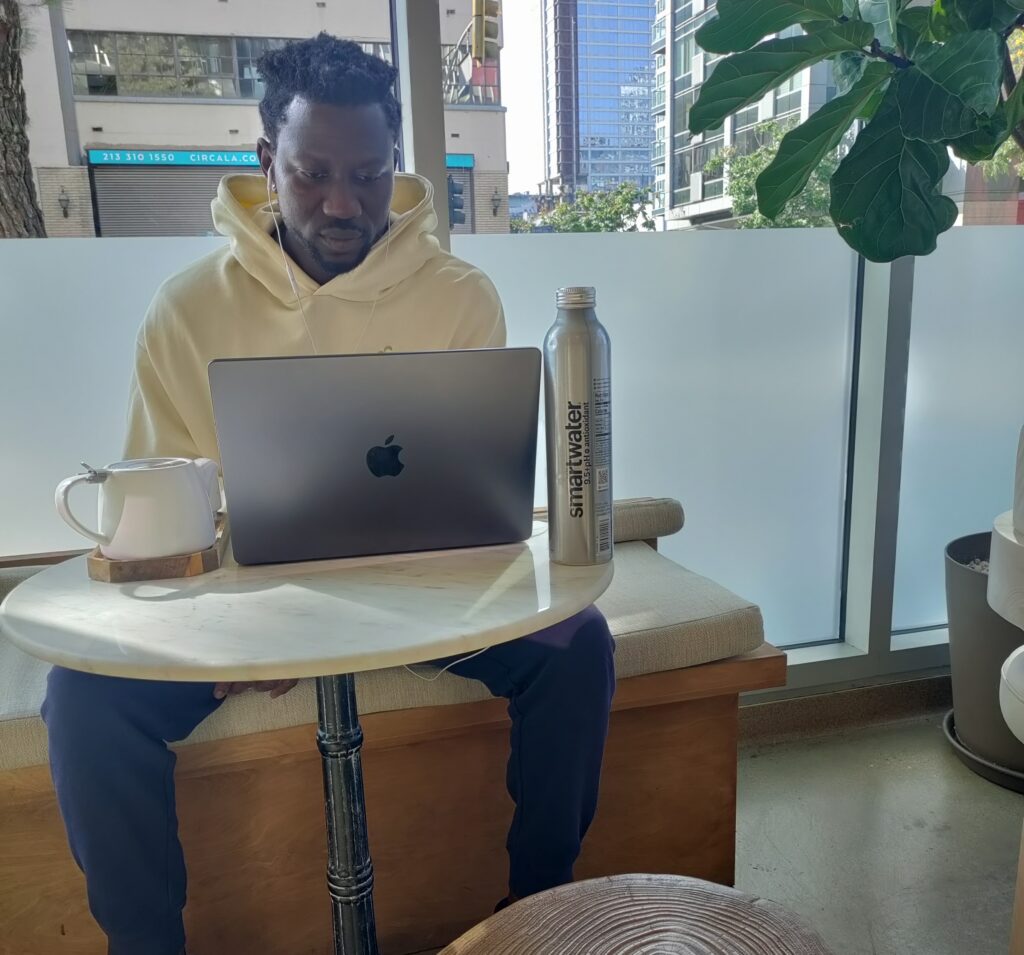
I learned this after editing my 5th book in a noiseless cafe
I felt exhausted, tired, and confused last week.
I was back in my apartment at 2pm, stirring at myself in the mirror, wondering what I had achieved with my dedicated writing time that I woke up early in the morning to get to.
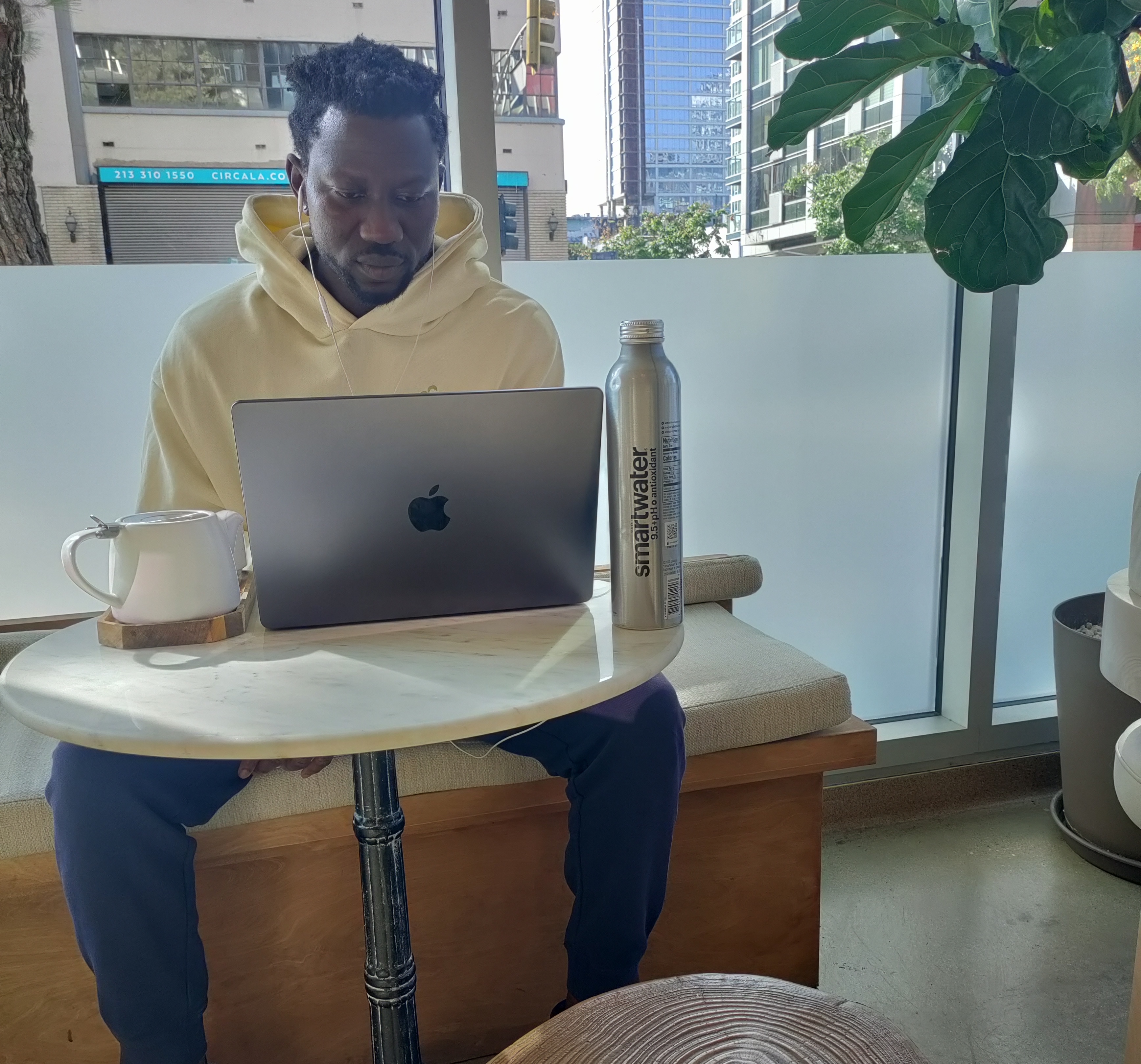
When I woke up I was diligent. I made sure to get to it right away. I spent the next 3 hours in front of my laptop, looking through podcast episodes, taking notes, addressing my editor’s comments, writing short intro stories to fit into different chapters.
I stopped to take a break and go get groceries.
When I got back home, I realized I couldn’t state what I had done. I hadn’t edited a full chapter. I didn’t have anything to send to my editor.
When my wife asked, “how did it go?”
“I said, ehh, I guess I made a bunch of decisions.”
That’s when I realized that on self-directed projects, no one throws you a parade when you’re done. You have to decide that yourself.
No one decides the finish line but you
You are finished when you say you are.
Unfortunately, most of us are still looking for permission and visual markers to say “we’re done.”
Just like my book writing session, I had spent the majority of the time moving forward on chapters. I know for a fact that I was doing stuff that would lead to the eventual goal of a finished book. But once I stood up, I felt defeated. I was tired and I couldn’t really point to a state of completion.
A few hours later, it was still an open loop in my mind.
“Maybe just a few more minutes. I’ll get it to the point where it’s done.”
I had to resist and trust that the next time I looked, I would be able to tell exactly where to pick up from.
The next day, I realized I had made so much progress. It wasn’t just tangible when I was locked into the process.
I had made sufficient decisions about the chapters, the interviews, the structure, that I had enough direction to take the next steps.
That’s what I’m learning about these projects – whether it’s a book or a business. You do a whole bunch of little stuff that doesn’t seem tangible and then BOOM, it all comes together and makes sense.
Writing is the compounding effect of little decisions made, expressed as one sentence at a time.
I see this a lot in business and sales in particular.
The work behind the scenes goes unnoticed – the long conferences, multiple check-in conversations, outreach out by email, challenges with production or customer delivery. Without a tracker, you end each day, wondering, “what did I actually do today?”
When the focus is entirely on an outcome – a finished chapter, a closed deal, a strong quarter – it’s hard to see beyond the fog of the process you’re in.
Along the way you’re making decisions that are either moving you forward or pulling you away from your goal.
When you don’t track these little decisions, it’s easy to believe that nothing’s accomplished. Even more maddening is the loop of doing the same thing over and over again. Instead of moving forward, you’re just running in circles. When you don’t pay attention to how you’re deciding each second, you lose traction.
Every project is the compounding effect of decisions. It’s just expressed differently.
You can take the sentence I wrote earlier about writing and apply it to starting and running a business.
A business is the compounding effect of decisions made, expressed by one satisfied customer after the other.
Back to that writing session, I played a J Dilla beat loop for an hour to begin writing. Even that was a decision shaping the session. Within that hour, I made multiple decisions on what to do next.
When I look back, that was good progress for me.
You are in charge of defining what progress is.
And it all starts with the decisions you make and how you choose to track them.
Documenting during your decision time-boxes
Here’s what I’m learning on the practice ground: Most of what you’ll build is just a series of decisions. The people that don’t get bogged down are the ones that know the weight of their decisions and have a way to track and reference them for progress.
Time-box your decision-making and document them.
I did this with my book. There were notes, with clear references, that I could act on after that session. For instance, I wrote “insert this story at the beginning of chapter 3, and research the last sentence.” When I added it to the main document, it fit quite well. It was a documented decision that aided my progress. The same with my sales process, whenever I finish a week, I can always go back to a document and see where things are, and the next step I need to take.
Here’s what I’d experiment with in your projects:
Every moment in a project is a decision, whether you treat it that way or not.
You get to decide what progress is. If progress is one sentence or one sales email. Then that’s it. But make sure it’s aligned with your goal.
Always document. Whenever you make decisions, document it to direct the next decision when you come back to it. Write it yourself – the act of writing the note is part of the processing. This is where most conscious energy is lost. The notes you take are part of the job.
Put a timer on your activity.
Let go of the outcome, and just focus on sitting down to do the work (or make the decisions). If you’re just building up, start with 15 minutes to learn how to build this muscle. Over time, extend to 90-minutes time blocks of traction.
Closing Reflection:
One week from that session, I can tell you that I’ve made progress. I now have a chapter in better shape to send to my editor.
But it didn’t feel that way when I was in the process.
That’s how it goes for a lot of projects – writing, business, careers. Nothing happens and then everything happens. All a series of multiple decisions made. Time-boxing and documenting helps you stay on track and gain momentum faster.
So here’s the question I have for you today: “What decisions are you making right now – and are they adding to or taking away from the work you say matters most?”
Yours truly,
Nifemi
P.S. If you made it this far, and someone came to mind – a friend, colleague, or family member who is building something and might have their head down. Forward this to them. Don’t write anything long. Just say “thought this was worth 5 minutes, curious what you think.”