

Here’s How a Pregnant Artist Forced Me to Record 11 Podcast Episodes
I sat back, casually replying to comments and scrolling through my feed on LinkedIn, when I saw a message from one of my favorite artists that stopped me in my tracks.
I clicked “see more” to read the entire message.
It read something like, “Hey everyone, this will be my last commissioning until after the baby comes.”
I thought, “Oh sh*t. I might never get this podcast started. Why did I wait this long?”
Let me take you back a few months before the message.
I had been thinking about starting a podcast. I had talked about it for more than a year. I asked my friends about it. Wrote about it. I reached out to get advice from people who had ongoing podcasts. One of them gave me the same advice I give to writers “dude, just start.”
Something kept holding me back.
At some point in the middle of 2015, I cooked up a plan to interview people for a podcast and then use the interviews to write my next book. I thought that was a good enough forcing factor. But the book would come out in 2026, so I kept kicking the can down the road on starting.
I created a list of people I wanted to interview.
It was in a Google sheet.
Yet another plan, stored away.
Now back to the moment I saw that LinkedIn post from one of the artists at the top of my lists to interview for my book. She was also nine months pregnant.
I thought: “I might never be able to interview her for this book once she stops working.”
I knew I had, at most, a week to reach out but I wasn’t ready.
That day I sent her an email about my idea for a vague podcast-turned-into-bookish interview.
She said “Sure. I’m available on Tuesday.”
That’s how a deadline forced me to start.
Don’t just Start. Start from the end.
The deadline isn’t the end. It’s the beginning.
When you don’t set it, you never start.
With the story of the podcast guest, that LinkedIn post gave me a clear deadline. I knew I’d be in the lowest priority for someone going through such a life-changing event. Once she accepted the invite, within a few days, we had a date on the calendar. With each day approaching, I knew I had to prepare questions, get my camera ready, prop up my microphone, and figure out how to use streamyard (a streaming service) to record a guest.
I put my makeshift studio together in my office.
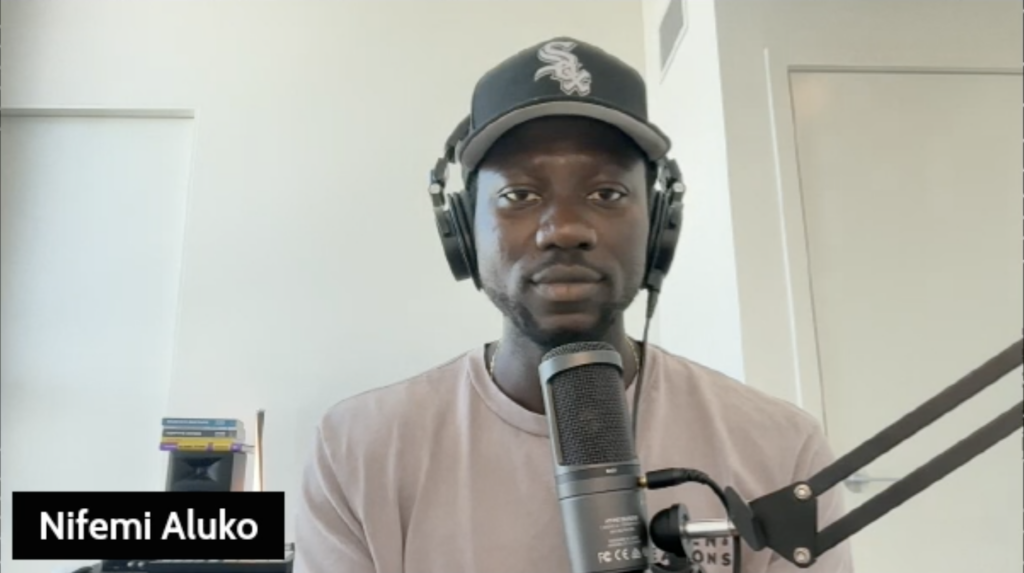
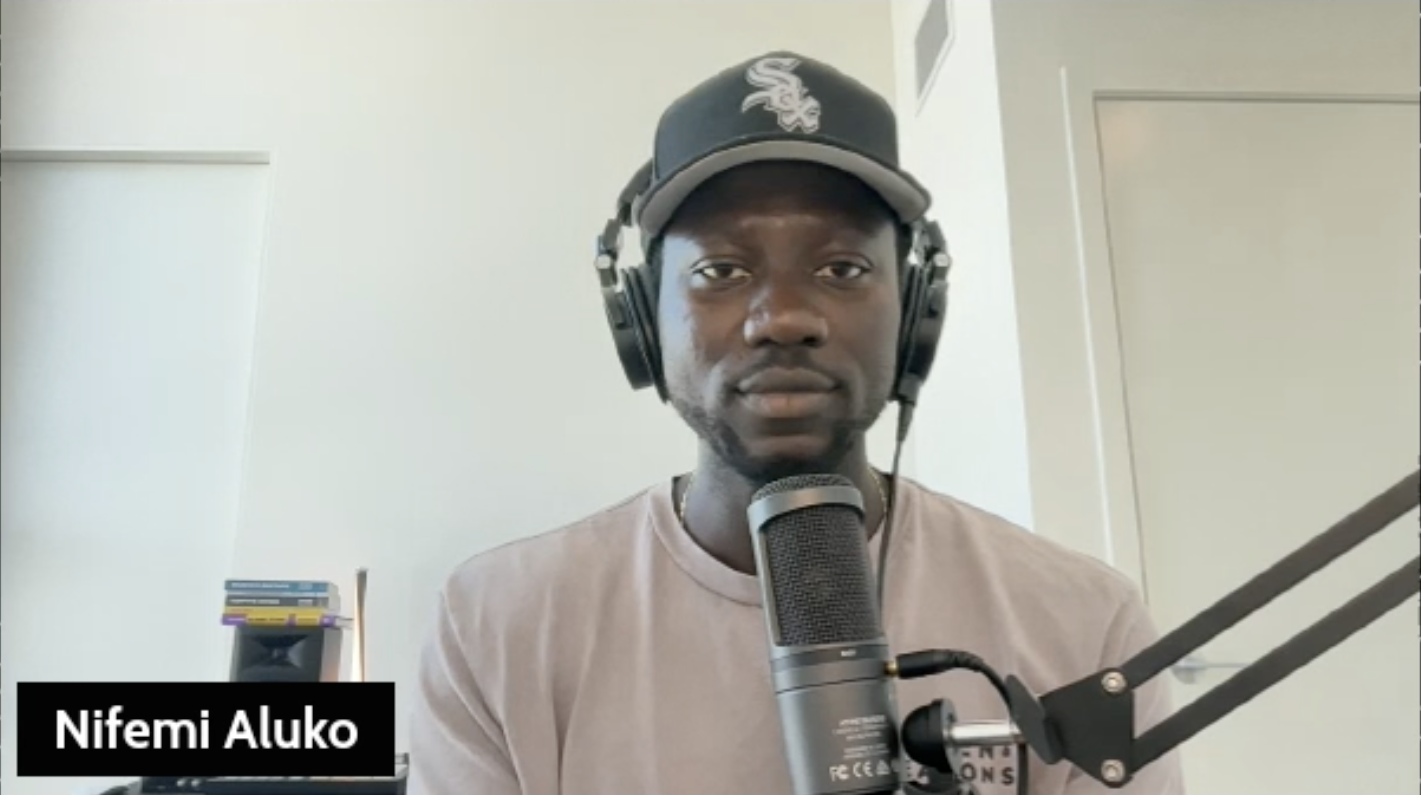
Up until the last minute, I was still preparing questions, thinking about how I’d introduce her (I didn’t do enough justice), and checking out the lighting. My hair was a mess, so I put on my white sox hat. (Chitown. Southside).
We had a great discussion and once I was done, I felt a lot lighter, wondering why I didn’t start earlier.
Now, I’ve done the same and recorded 11 interviews. In fact, I used the same message that I rushed to write to her, with a few edits, to reach out to the other guests. All it took was getting over the hump with one clear deadline.
A deadline is your friend for any project you’re working on.
I’ve seen how deadlines can force you to start in publishing, building products, and hitting your sales goals. Having a clear deadline when I was writing my first book is what really got me over the hump. If I were left to my devices, I would have been delayed but the publisher made it clear, “if you don’t submit by this date, you will be pushed to the next cohort.” I said “no, no, no, please wait for me, here’s my manuscript o.”
If you’re not clear of the end, you never know what done looks like.
Without the discipline of a clear target, it’s easy to procrastinate, overthink, and let self-doubt sip in.
Most people think deadlines stifle creative work. I think the opposite – they actually fuel it.
Everyone says “just start,” but I’ve learned the opposite works: start from the end.
Put a date on it and walk backwards.
Here’s what I’m experimenting with on my practice ground: I worked backwards from my October 2026 book deadline.
In my case, I want to publish my 5th book.
I want a book in the hands of readers before the end of the year, specifically October 2026. That’s a clear deadline. Now working backwards, I have to publish the book but before that I have to finish up the cover design, before that I have to plan the layout of the book, before that a final manuscript, before that editing.
Also I have to market the book at least 4 months beforehand. All these have timelines.
Writing down the activity, going backwards with bullet points, and putting actual dates on them gave me more clarity.
With my non-negotiable book deadline, I worked backward through each milestone: “launch the podcast in February,” “release bi-weekly through summer,” “begin editing by June,” “connect with my dev editor this month,” (I actually just went ahead and reached out to my development editor yesterday – might as well).
Here’s what it looks like:
October 2026: Book in readers’ hands
September 2026: Begin marketing launch
August 2026: Cover and layout complete
July 2026: Begin editing
February 2026: Podcast launches
This little exercise has increased the chances of me actually publishing the podcast episodes and completing this book.
Having deadlines might sound like common knowledge to everyone in a job where there’s structure. But when you’re on your own as an entrepreneur, solo business owner, consultant, freelancer, or generally doing what people here in Los Angeles like to call “unstructured work,” it’s the structure you never knew you needed.
Start with “done,” then walk backwards from a deadline.
Write a specific deadline date for when you want to ship a project you care about (e.g March 31st, Nov 1st). Walk backwards, write down specific timelines, on everything you have to do to get there.
I’ve found that asking these questions helps:
“What has to be true 1 week before?”
”1 month before? 3 months before? “
”What’s one micro-deadline I can use before the end of this week to get started?”
If you don’t know what needs to be done at each step, that’s fine (write: “need to ask someone” or “do research” – that’s an actual task).
Once you’re done writing, share your end-date with at least one person to keep you accountable.
I’ve blown through deadlines when I didn’t have external accountability, so I’m adding public deadlines for projects that matter most in my experiment toolkit (just like I’ve done here with my book launch plan above).
Using a deadline to start is quite flexible, you can use it on long-term projects like starting a new business. You can also use it on short-term projects like sitting down to write half-a-page of a book, training material, or product requirement doc.
Anything you choose.
Make it real with a clear date.
Practice Focus:
There’s a lot of wisdom to “starting before you’re ready.”
But I’ve learned the importance of “starting by knowing when you’re done.” Then letting that ‘when’ pull you forward.
With my podcast and book plan, I didn’t have everything ready but a deadline forced me to get ready. You’ll never be fully ready and trying to get there can lead to the convenient delays. Deadlines are a great way to force yourself to start. You just have to choose one.
Ask yourself, “what’s one thing I’ve been delaying for some time?” Put a specific date to finish it. Let that date force action.
Yours truly,
Nifemi
P.S. What’s one project you’ve delayed that needs a deadline? Reply and tell me. I want to see whether saying it out loud or typing it helps you get started.