
I’ve now learned this one skill, from writing 4 books, that turns “boring life” into compelling content
When I was writing my first book, PRESS PLAY, my writing instructor said: “to get more credibility on your topic, go out and interview experts.”
I got on my sales outreach grind.
I sent out cold messages on instagram to musicians. I sent like five DMs to Erykah Badu. On and on, I went about how much I wanted to interview her.
She wasn’t the only one. DMs, emails, comments. I started booking calls. I interviewed my digital music professor from Stanford. I email-interviewed Nneka, a Nigerian artist living in Germany.
Seun Kuti responded, told me to meet him at the Afrobeat museum in Ikeja.
I had these amazing conversations, I weaved them into insights and got the first draft of my book. I shared the valuable insights of these musicians and innovators that had spent years building their craft to effect change – the exact topic of my book.
Then my editor gave me some feedback that opened my mind.
He said “wow, you interviewed Seun Kuti. The Afrobeat legend. That’s so cool. So how did you meet him? What was it like? How did you struggle to meet people like him? What did you think about the interview? Where did you meet?”
I remember responding, “Shouldn’t I just get to his insights?”
He said: “People are really reading this book for YOUR story.”
I have had to rethink everything since then.
Why your “boring life” beats experts interviews
People think they don’t have anything to say.
It’s the biggest challenge I hear from people who want to write books, create content, and share their expertise online.
“But my job is boring.”
“No one wants to listen to what I have to say.”
These seem like excuses. I used to have them a lot until I started sharing my stories.
If you think your story is not important, no one will think it is.
Your lived experience is filled with many opportunities.
Where you started from.
The challenges you’ve faced.
How you overcame those challenges.
The problem is that most people want to have this huge profound moment of change, where they are standing at the mountain top saying, “Hey, look at me here, I overcame.”
Everyday life is not filled with these huge mountains, they are however filled with mini mountains, maybe hills, perhaps just a little bump in the road that trips you up as you make your way to the car in the parking lot.
It’s the difficult email you left unread for hours until you summoned the nerve to respond.
It’s the incident on a zoom call where you questioned whether you should have said something different.
It’s the person that held the door open for you at the coffee shop that you forgot to say thank you to because you were speeding through life.
Your entire life is a story.
You don’t have to create anything.
You just have to document it.
The bigger problem is that we have this need to tell manicured stories, which rips the life out of most stories. It becomes “un-relatable.” This, in turn, stops you from building empathy and trust with audiences.
Similar to when I was writing my first book. I wanted to tell the perfect story – that I already had access to these experts. “Hey, look at me. So special.”
When in reality, the hustle to get those experts on a call was the more appealing and relatable story because most people don’t have access to experts, and they appreciated going on that journey with me.
And these real life stories are even more important in the era of generative AI, where you can rattle off expertise with a simple prompt. With everyone doing this, the only way to gain real trust is to show that you are pulling from your real life experience or that of others.
The stories that stand out are those from people sharing expertise from experience.
When I write on LinkedIn, I have to tie it to a story or an experience, otherwise I stand the risk of just adding to the noise out there.
Your experience is the most important way to build trust, you just have to learn how to spot moments worth noticing.
Do your observation homework, everyday (just one sentence)
Here’s what I’m noticing: the biggest skill of the modern-day storyteller is observation.
If you do not take the pleasure in observing little things, huge opportunities will pass you by.
This does not come naturally to all of us but you don’t have to look too far. Just notice how observant children are. They want to stop and ask a question about why something happened. For the grown folks, a lot of that child-like wonder has been stripped through years of education, status-pleasing, and work.
Ideally, you will have that child-like wonder when you look at the world.
Although, I know that can be hard to achieve when you have a hundred things to get to in a day. What I’ve found that works is to train this observation skill by doing this one task: homework for life.
I learned this from the book STORYWORTHY by Matthew Dicks.
Here’s how it goes. Every single day, write down, in one sentence, the most interesting thing that happened to you in the day. That’s it.
I usually do this in the evening.
It will feel unnatural when you start it. You will miss a few days, sometimes you might go for weeks without writing anything. But with time, you begin to notice little things.
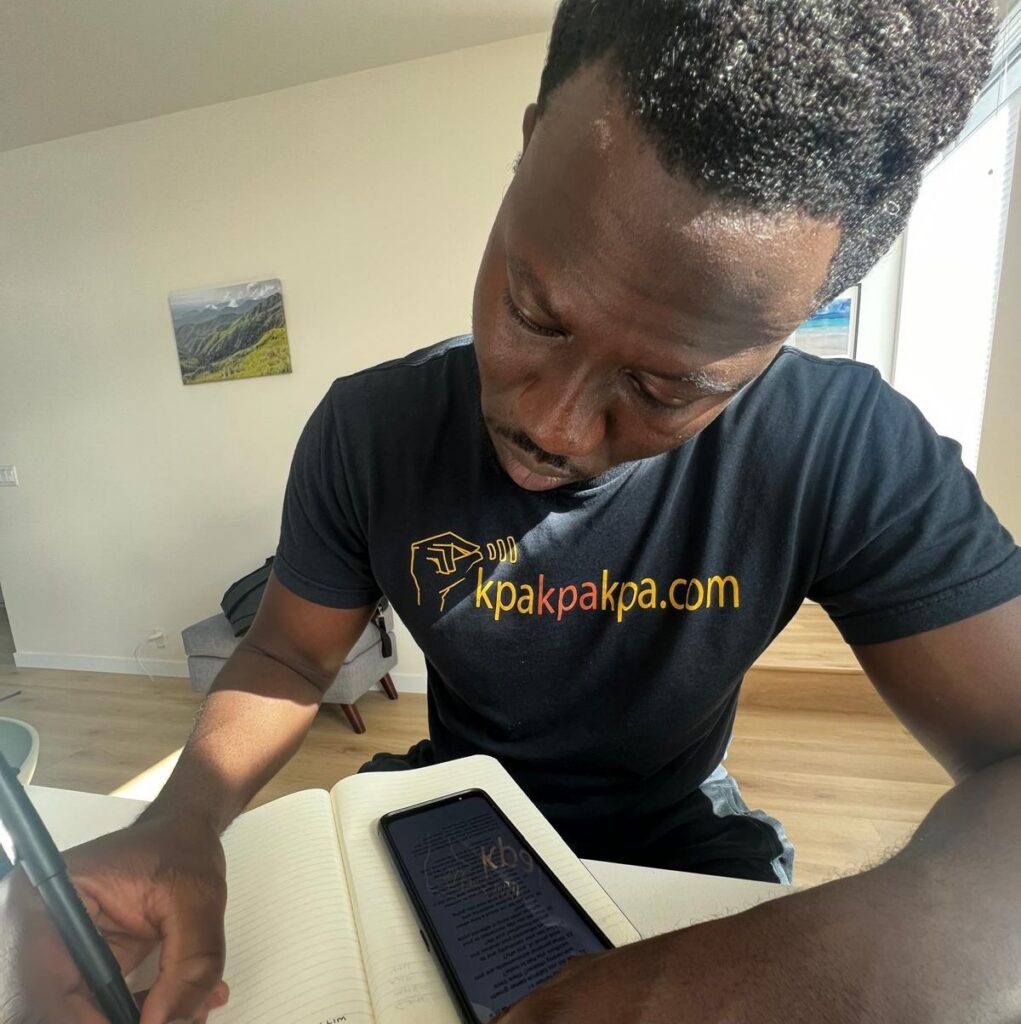
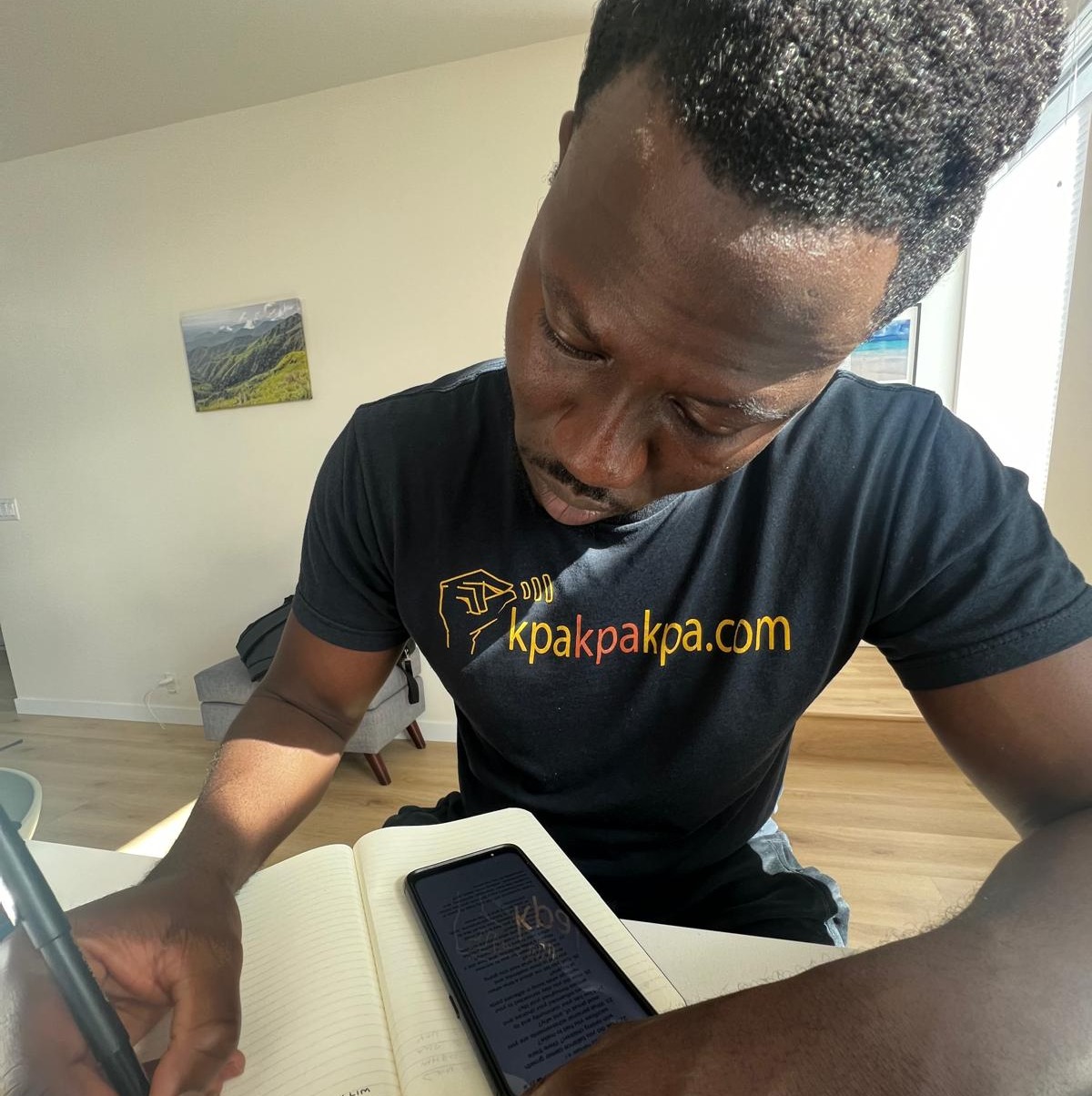
I have a log in my obsidian (note-taking app) where I log these observations. I write the date, then one sentence.
Some days I write two observations, sometimes I write them down as soon as they happen.
Now whenever I want to write a newsletter or LinkedIn post, I go through my log and find one lived experience that I can share to tell a story of what I learned.
This has an added benefit that’s priceless: life becomes a lot more rewarding when you become observant.
Practice Focus:
Your lived experience is all you’ve got. No one else can live your experience. The main skill to capture this is to become observant, which in turn makes your life more rewarding.
You can train this skill by developing a practice of logging one interesting thing that happened at work or in life on your phone’s notepad each day.
Develop observation as a skill.
Yours truly,
Nifemi
P.S. If you found this to be an interesting observation, can you forward this to one friend that you think would find this useful.